From Episode 02 - August 2026
Walk in with a point of view.
Prepare the conversation before you’re in the room.
A lack of leads is not always the real problem. Angela uses AI to decide who is worth pursuing, prepare the conversation and reduce the admin around it.
Try the first step from Angela's Conversation Prep Toolkit: name who you're speaking with, mark where the conversation might stall, and get an opening, a set of discovery questions and a close to work from — then rehearse the whole thing in your own AI before you're in the room.
AI Asset: Conversation Prep Toolkit
Watch the episode
Read the full transcriptLightly edited for clarity · 86-minute conversation
This transcript has been lightly edited for clarity and readability. Watch the video for the complete conversation.
00:00Meet Angela Shori: B2B Go-to-Market Consultant
And when you're solving a problem that someone cares a lot about, they're happy to hear from you. I never would have thought like, "Oh, I have ADHD." And then I started like doing some research on, you know, some things and, you know, people would be like, "Oh, I have ADHD and this, this, and this." And I'm like, "Well, that sounds like me." A lot like me. In fact, I'm using AI in a way maybe that other people are not using AI. Welcome to AI Power Women. I'm Michelle Jones Walker and I'm your host. This is a show about women using AI and experience to create real leverage in their businesses. My guest today is Angela Shori. She's the founder of SHYFT Insights.
She advises B2B technical founders on go-to-market strategy and after an ADHD diagnosis in recent years has been intentionally building her solo business around the way she actually works as a neurodivergent founder. Welcome Angela. So lovely to have you here today. Thank you, Michelle. I'm really happy to be here as well. I've been so looking forward to this conversation for the last couple of weeks. So, now we're finally here. I've done an intro to you already, but I'd love for you to just give us a little bit more background, like where are you based and tell us a little bit more about SHYFT Insights. Yeah, absolutely. Um, so I am based in Austin, Texas, which right now feels like it's on the surface of the sun.
Um, I think you might actually know what I'm talking about. you guys are having some unseasonable weather there as well. Um but uh yeah so shift insights is my um is my go-to-market consultancy.
Yeah which um kind of came out of the work that I had been doing in-house with startups and just the idea that so many of them don't understand what they need to do to sell into enterprise. they generally are building something that is for enterprise companies but don't understand you know kind of like how those companies buy and so um so that's you know mostly what I'm designed to do I I kind of do that across different um different things in advisory capacity I do projects um and then also just a fractional um kind of go-to-market leader uh opportunity as well but uh yeah that's that's it in a nutshell oh amazing and yes we are having some un undefinitely unseasonable weather at the moment.
It is so hot here in the UK and we're just not set up for for hot weather. You know, all our houses and spaces are designed to keep um heat in and we don't have air conditioning as standard. So, yes, it's well it's melting weather over here. But I'm really um interested to dig into all that you do and um but I'd love to get a little bit more uh about you and your background because there's an interesting quirk about you that I'd love to ask you about. Um because you
03:09From Theatre to 20 Years in Marketing
okay, just because I saw this, you describe yourself as um an occasional actor and you recently appeared in a commercial called QuikTrip and um yeah, how did that opportunity happen and how did it come about and what doesing and the second question is like what does acting give you that your business work doesn't? Um yeah, that's a great question. So, I went to undergrad for theater. So, I've always been sort of interested in performing and um you know, and things of that nature. And then, of course, you know, you get out of college and you spend, you know, a year or two um looking at that and then going, you know what?
Um yeah, I I'd like to, you know, like live in a decent house and, you know, be able to afford my groceries, so maybe I should do something else. And um and so I kind of like fell into marketing accidentally. Okay. Uh fast forward, you know, I don't know, several years. I'm not gonna say how many. And uh my daughter is also um you know, interested in in those sorts of things. And so she had um she had done a short film. Oh, wow. And met someone on set that referred her to an agent. Okay. And so she signed with the agent and she was kind of doing some stuff. And you know, one of the things about building and owning your own business, as you probably know, is that you are more in control of your schedule.
Sometimes that means you can go off and do a commercial. Sometimes that means you stay up and work until 4:00 a.m. And so, um, so I signed up with the agent as well. And I've just been, you know, like auditioning here and there for some different things. Um, the QuikTrip commercial. Well, QuikTrip is a gas station here um in the US and or I guess convenience store is more what we would call it. Um and and the sandwich the um sorry the the commercial is you know like it's me eating a sandwich in a car. Um and so hot day because I've seen you on Yes. Yes. Yes. And it was well it was meant to be a hot day but um but yeah uh it actually wasn't that bad.
Um, but yeah, so I'm eating a sandwich in a car and, you know, pretending to drink like a a Coca-Cola that's actually like covered in like all this stuff that makes it taste terrible and, you know, so good times. Good times. Um, but what it gives me, I guess, is is a little bit of a break in um how I use my brain, I guess, and how I use my creativity because u you know, they're just different muscles. It's they both require, you know, creativity and, you know, the ability um, you know, to sort of assess a situation and figure out how you're going to react to it. But it it's just in a little bit of a different way and it's just fun, you know.
So, I I kind of look at it as as a hobby that is um paying me a little bit and and and we just kind of go from there. Oh, that is awesome. That is awesome. And when I watched the advert, I was like, "Well, if you're telling me it wasn't a really hot day, great acting." Because because it looked like it was sweltering in it. It was meant to look like it was sweltering. Um, it wasn't it wasn't that bad. It was I was outside all day. Um, you know, in a car, but you know, but other than that, you know, it wasn't too bad. And the sandwich was actually really good, too. So, well, good bonus. Yeah. I was I was actually a little concerned about that.
I'm like, okay, like I'm gonna have to like just eat whatever they hand me. I don't know. I don't know how that's going to go. But it works out. It works out. That's brilliant. So, you said um so you've gone from that and then uh this is how you sort of fell into marketing, you said. So, it started out acting, this is going to be my career, and then you were like, actually, I need to uh you know, I need to look at something that's going to pay the bills. And Right. Right. Right. But you've been in marketing a while now. So you've been in marketing a couple of decades. Would that be fair to say now? Yeah. Yeah, that's fair to say.
So my my very first um I guess real job, if you want to call it that, um after college was uh was at a dot, which is, you know, what we called startups before everything was a com. And uh and so I was, you know, I actually joined as their receptionist. And then it was kind of one of those like you know cancerous growth kind of companies where just it like everything was just happening way way fast. I think I had four promotions in as many months and I ended up in the marketing department there. And so that's that's sort of you know kind of how it happened.
And then as I was you know sort of learning from some really great people um that I got to work with there uh I thought you know what like this like I can actually like still be creative. I can still, you know, um have that part of me and and do a real job. And so that's kind of that's kind of where that came from. I love that. And so now that you've so you've been in marketing that time, what do you from when you began as that receptionist to moving all the way up and getting those promotions and falling in marketing?
What do you believe about marketing now that uh that you know you know I'm asking the question badly but what do what do you believe that about what do you no longer believe about marketing that you believe then was what I meant to say okay I'm going to actually answer that the opposite way I think okay
08:46What Go-to-Market Strategy Means Today
because um so the way that I approach marketing now and the way that I look at marketing now is as solving a problem for someone who wants to solve a problem. The way that, you know, marketing was when I started was convince someone they want to buy something. And and while that may still be true at the surface, so many companies um are are going more to a customer centric kind of um approach uh which they should. And when you're solving a problem that someone cares a lot about, they're happy to hear from you. So it's not, oh, okay, I'm getting, you know, a hundred emails a month from this company. Why? Why? Why? It's, oh gosh, yeah, I have this problem and they understand it. Maybe I should talk to them. Oh, I love that.
So when so so you said it originally it was like sell to someone and now it's like help them solve a business problem because now you're talking my language right but it is true sales and marketing often is seen as um as uh convince the customer but actually there needs to be a problem that you're actively solving. So what how was your approach changed with that you know with you now see it this way how does your approach fit with that? Yeah. So, um, so that's an interesting question. Um, you may have seen also on my, uh, on my website or even on my LinkedIn that I'm a go-to-market partners, uh, certified partner. And what that is is it's it's basically um, a framework for looking at go-to-market across the entire company. Now, I've only recently become a partner.
I've long operated this way in that. So you mentioned sales and marketing. You ask people what go-to-market is and a lot of them will just say marketing. Some people will say it's sales and marketing. Um some people will say it's you know product launches or you know like things like that. But but what it really is is it it's an orgwide commitment to how you're going to approach the market from product like what are you building and who is it for? Um, you know, that bleeds a little bit into into ICP work and ideal customer profile. Uh, if I could stop using some jargon, I guess, like the person the person that is going to most benefit from the thing that you're building.
Um, you know, and then having alignment across, you know, all of all of the departments because in product, if you're building something for someone Yeah. who doesn't care about that problem, well, that's misaligned. Yes. Um if you are marketing to someone who doesn't have that problem that's misaligned and it goes all the way through. You can sell to people who are not your you know ideal customer but what happens when you do that is customer um success has to spend a lot more time keeping that customer happy because their expectations aren't realistic um and they generally turn. Yes. So, you know, I guess my approach has changed in that I view it from that org-wide perspective rather than just a a sales and marketing alignment. I love that.
And you know, it's it's funny that you say that because that is the end ending result is that you just get all of this churn. Um, it's all great on the front end. You bring in customers because it's all about customer acquisition. Everything is kind of downstream from that. But if you bring in the wrong type of customer now that's not useful to the the business either. So how do you help a business like identify you know who their ideal customer profile is? How do they figure that out? So, there's a couple of ways that that
12:48Total Addressable Market vs Total Relevant Market
we approach that. And, you know, and one is just to just keep digging deeper, like kind of acting like a three-year-old in some ways because they'll say like, "Okay, our ideal customer is, you know, this, this, and this." And usually what they're saying is very sort of like top level. This is how many um employees they have. this is what industry they're in, you know, and and you can't you can't stop there because like that could that could be anybody almost anywhere. Um, and so you have to dig into that like why why is it that person, you know, and get get into what really identifies them as not just a person who could have that problem, but the person who has it now.
And so one of the questions that we really focus on is you know um looking at what we call a total relevant market which is the portion of your um your TAM that is actually uh ready to buy now and that you're actually able to serve right now. So not selling forward in the road map not you know saying okay we can serve this person when we hire you know 15 more customer success people. It's who can you serve now and that has the problem and is ready to buy or willing to buy.
And that that narrows the pool a lot and you get a lot of push back on that because there's a misconception that you want to go wide, you know, because in sales especially, especially if you're doing like a lot of um cold outbound, yes, like you have to do a whole lot of that to get any kind of response back. But that's because you're not reaching out to the pool of people that actually care. So when you do that, yes, you reach out to fewer people, you probably have fewer meetings, but your conversion rates go up, your customers are happier, your retention rates go up. You cannot grow without retention.
Even if you bring in, you know, the same number of logos that you lose, you know, in a year, the acquisition cost for those logos, you know, completely, yeah, it's through the roof. So, the only way to grow is to find new customers and keep the ones that you already have. You know, it's really interesting because everyone talks about TAM. They always talk about total addressable market. I've never heard of anybody talk about the total relevant market. That should be the primary AC acronym that we all what's the you know what is the TRM not what is the TAM. I like that.
So when so how would you go about helping a company identify what their total addressable market is and not this big broad um because do you get so I guess the question I'm curious about is do you get push back when you're in with companies and everyone's programmed to think about TAM the total addressable market and you're like no we need to go after this much smaller slither this total relevant market do they do they come on board with you or is there an education process you have to take them through? Uh there's definitely an education process that you have to take them through, but just like companies have to find their total relevant market, I have to find my total relevant market as well. And and that means people who actually want to see some change.
And so there's there's some you know qualifying out initially if like it doesn't matter you know how many workshops and sessions and whatever you know I have with a company if their CEO is not bought into the fact that something needs to change. And so um that's the other thing that I think is different for people to think about is who owns go-to-market. So people will say, "Oh, it's the CMO, it's the CRO, it's the CEO because that's the only person who can go across those, you know, four different, um, departments and decide that we're going to make changes across all of it." And so, um, I would say yes, I do get push back. I get push back publicly. Um, I commented on a LinkedIn post from someone yesterday who was like, "go-to-market is marketing.
That's it. it's final like no it's not. So um yes the short answer to your question is yes and how I help them though the ones who are ready to be helped is um it's I mean it's a couple of different ways. So if they are looking for someone to actually come in and be like an interim CMO or fractional um leader then you you kind of go in you address what's going on you sort of you know find some priorities and then and build a plan around that. Okay. I can do that externally as well. Um I I can do just just the planning with them where I, you know, kind of go through that in a very indepth way. Yeah. And then leave them with, you know, here's the 90-day plan, go have someone else execute it, right?
Or I can do it, like whatever you want. Um and then there's just, you know, like sort of advisory where they bring me their questions and I kind of, you know, talk them through. And sometimes we lean on the frameworks and sometimes we don't. um if I'm doing like actual total relevant market work with them like I have a like I have a well-defined um workshop that I take them through and so we go through you know identifying you know who the ICP is what the total relevant market is where they should be spending um you know their resources whether that is um uh people or you know funding and and the question that we want to answer from that isn't just what do we have to do to grow or where can we grow?
It's where can we grow the most. And so you always want to like drill down like one level. And one of the things that I think is um is really interesting is that the questions from this process are not hard questions. They're very simple questions, but they're very simple questions that it's easy to sort of, you know, I won't say get wrong, but like not go deep on. Like it's easy to answer them badly. You know, like, oh, I I filled this all out, so I'm done. Yeah. Yeah. But Yeah. But yet, you you haven't really gone, you know, to the depth that you need to do. Yeah. It's all about going through the layers, isn't it? And it's like peeling back an onion.
As you go through, it reveals more and your eyes water more because you're getting closer to the core of what the issue is and you're getting closer to the problem. you know, as you're speaking and describing how you help people, it's actually making me think of a a a situation that I've been close to. And I was like, you know, where you say nothing really changes unless the person from the top's ready for it.
And I've been in situations before where that senior leader um you know who the buck stops with just isn't open to the change but not because they don't want something to grow or be better but there is a kind of blindness I see sometimes happens in companies like you can be in a company for a long period of time and so is the rest of your C-suite and some of the management and so you become blind to some of the bottlenecks, some of the marketing issues within your organization. And so when someone is kind of saying, "Hey, your house is on fire. Maybe we need to look over here or get a hose and put it out." They can't see it. They've got this kind of blindness.
So yeah, it's really really interesting as you're describing um the the the total relevant market that sometimes people are very blind that it must be this this way and you and you and and the relevancy being where where you're going to get the most out of it and sometimes they think the most is over there but actually you're missing this great shiny pool over here and they just can't get it. So um yeah really really in for me anyway because it's just sparking real interesting relevance to something I've been exposed to directly. So you yeah it is um Oh sorry go ahead. Go ahead. But yeah no I I was just going to say like yeah it is really hard to see things from the inside sometimes.
Like you see things the way that they should be and not necessarily the way that they are. And um you know outside of that it it is definitely one of those things where you know some people can want change and they can try to push it from you know from the inside but really I found that either that is uh temporary or you know isolated. So it it really is something that you have to have alignment across the entire org in order for anything to change drastically. 100% agree. 100% agree. No, it's brilliant. And on your site, it suggests
22:13Ideal Customer Profile: Why More Leads Isn’t the Fix
what um looks like a marketing and sales pro problem. You know, you as you've just described is like a wider go-to market problem. Can you share an anonymized example of a problem where a founder reported uh you know wasn't the real constraint? Are you able to do that? Yeah, of course. Um it's always they say they need more leads and it's almost always that the um the ideal customer profile is not dialed in enough. M do you and you obviously have a process for helping them dial that in um without revealing your you know your secret source as it were. Um what how do you take them on that journey of discovery so that they can identify what they might be missing. Yeah.
So, um, you know, one of the best things to do, and I like I don't mind sharing this at all because I feel like everybody should have this information and and it will be helpful to them, is look at who your best customers are. Who are the ones that use the product the way that it's intended, that are, you know, happy because they they're not asking for stuff all the time. You cannot assume though that because you don't hear from them that they're happy.
So you have to look at usage plus like how often they're talking to customer success and you know like how how happy they are with the results that they're getting because um I think there was just in the news like this um notion somebody like somebody went off of notion they had had a you know they had had a um a contract like never turned any tickets in never like said like anything to notion about the fact that they were probably not going to renew. Um, but they weren't using it. And so when it comes time and you've got a CFO looking at um, you know, at a budget and he's like, well, like nobody's even logged into this thing in six months. Of course, we're not going to renew it.
So, so you kind of have to look at, you know, a couple of different things. But I would say the the two best places to find that are with sales, like who wants to buy. Yeah. And customer success once they buy. who actually uses it the way that they that it's supposed to to be used. I don't want to throw sales under the bus, but um because of the way sales is incented many times like it it's they are incented less to find the right customers and more to find more customers. And that is I mean that is not something that they can control. That is how um comp is set up. But again when you have this org-wide perspective then comp is set up differently. Um, interesting.
You mentioned sales and uh customer success when I don't know if this is included in the work that you do, but how do you since they're the ones that are closest to the market, they're the ones who are bringing the business in or trying to retain the business when um trying to figure out the ICP? How much do you rely on bringing them into the conversation or do you or do you not deal with them? like do you include them in the process? Yes. Yes. 100% they have to be included in the process and product as well. Um and the and the reason for that is product is building the thing. Yeah. Um marketing is marketing the thing, sales is selling the thing, customer has to deliver and renew the thing.
And so the the insights from all of those groups is is really important. And um and so yes, I I was actually talking to um a CMO recently who is kind of coming along on this journey and and she was like, you know, I' I've been a CMO for a long time and I used to do this without ever talking to, you know, anybody in sales, anybody in in customer. And like I'm embarrassed to say that I did that. Um you know, but but it's true. like you're sort of like trained to think that oh that's that's a that's who we market to so that's a marketing decision and and it's not it's a business decision. Agreed. Agreed.
I've always I've always seen in the different businesses that I've worked inside when I was in corporate that the teams that are best aligned and I'm talking cross departmentally that have the best conversations with each other are the ones that win. And then when it becomes siloed as in you do your bit is separate from our bit is separate from our bit and they don't talk to each other then maybe aspects of the business wins but overall it's do you know what I mean they're not there there's a misalignment to how they move forward because there's disagreement. So one person describes it like this another person describes it like that and there's no cohesive story to what it is and what it does.
Is that something that you've come across yourself and um in your travels when you speak to businesses? Ye Yeah, absolutely. And um and I like the way that you kind of just described like how how things uh are are passed around um you know, one of the metaphors that I use is um you know, it's a football match or a soccer match if you're in the US. It's not a relay race. um you know so like it's it definitely like everybody has to touch it and if they don't then you know that's what happens what you just described. You've got um you know you've got somebody in sales that's been there for five years that has some deck on his um or her uh
28:07Positioning Before Tactics: Build the Foundation First
computer that uh you know they've been using for the last five years. It's no longer up to date. It doesn't even have current branding, but they're comfortable with it and they know how to speak to it. Um, you you have, you know, every time that you you go out to, you know, put out a piece of content or to, you know, create something um to drive attention. I if if the messaging, so the messaging builds on the positioning and the positioning, you know, is who are we for? What problem do we solve? Why do they care? and are they like is it a big enough problem that they're will willing to spend money to solve it?
Sometimes there are problems we can solve but people don't care about it enough to actually pay you money and so like what do you do? Um, so all of those things build upon one another and the the big danger that I see is especially because I work with startups a lot and a lot of times it's technical founders with a technical product and they're brilliant and their product is brilliant and it's solving a brilliant problem and you know everyone should want to use it. Yeah. Um but they kind of fall into this trap of you know I call it the the field of dreams trap but like you know the if you build it they will come sort of mentality and um and unfortunately it just doesn't work that way.
But you know what does happen is that if you are building upon a strong foundation then every step you take forward is a step towards growth. What happens a lot though is it's really easy to see the tactics and channels that successful companies use while it's harder to see what lays underneath that. So they'll jump into, oh, we've got to have, you know, um, LinkedIn advertising and we have to like update the website and we have to, you know, sort of like do all of these flashy things that look good but aren't built on a solid foundation. And you can get by with that for a little while, but you know what happens if you build a house on, you know, a foundation that's not solid? It it doesn't stand. It doesn't stand the test of time.
So, so that's one of the things that I do see. And then the other thing is thinking that once you've done it that it's that that's it forever, right? Especially in startups, things are changing constantly very fast. Very fast. So, you have to be willing um you know to look back at it and say, has this shifted? Do we need to do something different? Is this still the truth? And um you know, and that's that's not an annual process in startups. It should probably be more like a quarterly process. Definitely even if you're a a more established business that um is going through change because that also happens. Times change, technology has changed and maybe you have to update what you're doing now from what you previously were.
Um again you mentioned about doing it on a solid foundation. what's an example you know or when I say that you mentioned in large or organizations you see that they're doing X or Y but you only see the external stuff that they're doing what's an example of like the solid foundation that they might be doing on the inside that maybe startups are missing out on what is it what's the the missing ingredient that they're not getting because they can't see it it's building that it's building that positioning it's building the ICP it's building the messaging based on the positioning. Um, and it it's making sure that they're focused on their total relevant market. Yeah. It's bigger pond for them probably, but if they're being successful with it, they're focusing on the right people. Yeah. I love that.
And that's and that is so is so key. And it's so key just in business in general. I think it's like a rule of thumb that you should always be, you know, who is the ICP? Who who is that? Almost that one person. I know it may be several people could be our customers, but normally you're like talking to this one type of person who's your who's the most relevant, most ideal to your company. And if you can get that right, it's chef's kiss, right? Absolutely. Absolutely. And you know, and the thing that I see too, and I keep going back to startups because that's who I work with.
Um especially with technical products like you might have you might have four or five products you might be able to serve six verticals but if you have limited resources and limited time you can't spread yourself you know across all of that. So identifying which is the one that you can grow the most now yes allows you then to move horizontally when you are better suited to do so. I love that. I really truly do. And I don't think I think what happens to a lot of companies is they're like, I can do this and this and this and they try and be all things to all men and spread themselves too thin and then really hit nobody.
You're from what you're saying is pick a target and pick the target of who is most ideal right now, not necessarily aspirationally, and then review quarter by quarter and keep evolving and growing as you hit the mark. Yeah, absolutely. I I always say um if you're for everyone, you're for no one. And um you know, and I I I truly believe that and and I I've seen it play out that way so many times. It's funny. So many times it does is I can't remember the stat that somebody told me but they were just um that the mo there's a number a stat and I'll find it that um you know so many companies that are trying to hit a particular target and they never do just because they're just missing the mark on who to speak to.
And it comes back to your you try and speak what you just said kind try and speak to everybody and you end up speaking to nobody in particular. So with that you know what's um what do you think is the earliest signal that a company's go-to-market is becoming disconnected or unpredictable even when the numbers might look acceptable to them.
34:40Churn and Lead Quality: Signals of Poor Fit
Uh so I would the first thing I would look at is churn. I mean generally if if things are you know kind of coming apart at the seams there there's some sort of um leading indicator or metric that that's happening. Um that might be you know in um you know customer success metrics and you know how long it's taking to resolve tickets and you know things of that nature. It might be in um you know the inability of sales to get on conversations um you know at the level that they need to be uh doing so. It's it's generally though one of the things that if if that's happening like if if it's coming apart that way Yeah. then you're going to have lumpy revenue. You're going to have a lot of churn.
So, I have a hard time imagining like that the numbers look okay, but things aren't working the way they're supposed to. Something's wrong. Yeah. Yeah. I mean, I like I feel like there's I feel like there's an indicator there. But, um but yeah, I mean it if it's hard to sell your you know like your sales um cycles increase like there's just there's there's so many different metrics at different parts of the process that can tell you that. Okay. What's for you what's the most leading indicator you look for? So you said churn. Is there any others that are like your top two more the top two top three that you would look at? Yeah, I mean I guess like I would start with you know the marketing metrics and and like who are you able to draw in?
Um I don't like using MQLs and SQLs. I think it's um I it's still used and it's still valid in certain situations, but it leads to a situation of marketing saying, "Oh, well, we hit our number. Did you not hit your number?" Um, you know, and if if the people that marketing um is attracting are not the right people, then you know, they're not going to convert to meetings, they're not going to convert to sales conversations. Um, if the people that sales is talking to are not the right people, they're not going to buy. Um, you know, so I I keep it all goes back to that foundation that we keep talking about%. And just for anybody who doesn't understand the acronyms, can you just break down quickly what MQL and SQL um are?
Yeah, they um it stands for marketing qualified lead and sales qualified lead.
And the way that that's supposed to work is that, you know, marketing attracts the right person and they become, you know, an MQL and then sales evaluates that uh contact and agrees that it's the right person and then it becomes an SQL. um what happens a lot of the times in the way that and and again this is like comp structures um you know uh influence this a lot but you know someone will say we need more leads and in marketing we'll go well I know what to do to get more leads and you know they go out and they run a campaign and they get a whole bunch of attention but it's not from the right people um so they're like we got you more leads like what are you complaining about like why like I don't understand um but if they're not the right leads then it they it might as well be no leads.
Yeah. Yeah. It's funny because we've both sat on both sides of the table. So you be marketing, I've been sales and that's exactly what happens. Marketing is like, "Yeah, we've got you a flood of leads." And sales are like, "But they're all rubbish. None of them are converting." So yeah, totally been that. And it is a Yeah. And like And it's Yeah. Yeah. And it's not just, you know, um it's not just like frustrating and and you know, and kind of creating friction between those groups. It's also wasting everybody's time. Like sales resources really should be like so focused on talking to, you know, the people who are most likely to buy.
They should never be talking to people who are like, "Oh, I just wanted the teddy bear you were giving away at your event or whatever." Agree. 100% agree on that. And I mean obviously we understand that that is an ideal as well that you're not always going to get the the best customer, but you want the majority of the time that this customer has a high probability of being, you know, of being someone that would buy either now or in the near future and not someone who's just totally pointless um to speak to. But we know we know that that happens sadly. And it all goes back to they didn't know their It does. It just is a loop. That's gonna be the answer to every question you ask me from here on out. Did they know their ICP? No.
So, I'm going to pivot a little bit um now because something um that you were work that you said that you're working on um obviously off camera um that I'm really curious to find out more about. So you launched um building different
39:51Building a One-Person Business Around ADHD
and this is to talk honestly about shift insights. Um so I really want because you're a neurodivergent solo founder and I'd really love to understand why you uh created building different what it is and um yeah just speak to that a little bit because I'm really curious and I'm sure other people would be to hear more. Yeah absolutely. So um a few weeks ago. Um, you know, I was I'm always like jotting down ideas for LinkedIn posts and and whatnot. And I, you know, I I share a combination of sort of business insights and, you know, personal stuff and I've I've not been shy about this journey because they're really just isn't enough um, you know, talk about how uh, neurode divergence appears in women. Um, it's very underdiagnosed.
So, I had this sticky note on my keyboard that I put there because there were towels in the wash that needed to be moved to the dryer, right? And I put a sticky note at my keyboard because I knew that the very first place that I would see, you know, in the morning, I would sit down at my desk and I would look at my keyboard. And so, I put the sticky note there and I remembered to move the towels because I had a sticky note to tell me. Um, and so I kind of wrote uh a post about that and it got a lot of attention and and that kind of surprised me a little bit.
And so in looking at what was appealing about that to people, I think it was sort of the honesty about the situation, the permission to say I I do not have everything available at my fingertips all the time in my brain all the time and I have to develop systems to support that. And I mean whether you're neurodivergence or not um you know we all have to operate on systems. So um as I started thinking about that more then you know I thought well I'm I'm using AI in a way maybe that other people are not using AI and and that's as sort of an external um assistant for executive functioning.
And executive functioning sounds like really fancy, but it's basically just, you know, the the the decisions that you make every day, the things that you do um you know, and and keeping all of that that moving and running. I've been in project marketing for um a lot of my career and that's one of the reasons when I was diagnosed I was like what?
Like I like I am so like good at keeping projects, you know, on time, on budget. like I'm like fanatical about it and um and that's the overreaction to my native state, you know, I'm coming to realize um so an executive functioning appears differently um for different people and for me actually it is um it shows up a lot in the kitchen and um and I was talking to someone about this recently and they were like like so you I always thought it was I don't like to cook and it's not that and then I thought it well I can't cook and it's not that it is.
Um I do not want to make all of the decisions that go into figuring out not just what do I cook today, but getting the ingredients for that like it just all of it. Um the very first thing I built with AI was a um a tool in lovable that I called what's for dinner. And I thought okay this is gonna be great. like I'm going to like put this stuff in it and it's going to like give me, you know, the thing and I'm not going to have to make all these decisions. And then it got to the point as I was building it that to make it useful, I had to make too many decisions and I was like, "Oh my god, okay." Like, "No, I'm done with this.
Not doing this." So, um, professionally, this is not what this is not supposed to make this harder for me. Um so so professionally though uh you know what I'm doing is I um so I'm a solo founder like you said which means I have to do all of the everything. I have to do the marketing. I have to do the sales. I have to do the delivery. I have to do the invoicing. I have to do the follow-up. Like I have to do everything. Wear a lot of hats. And so I wear Yeah. a lot of hats. And um so what I did was I you know started looking at what can I outsource? What are things that are repeatable? Like if I had an admin, what are the things that I would have them do?
And and so I started building skills, you know, to do those things. And some of them have been good and some of them have been utter failures. And where building different comes in with that is just sort of being very honest about that process. Um I don't want to be the like comment you know framework and I'll send you my 42 frameworks for running your business. Um like that's I I hate that. Um, so I just really want to be open and you know if I give someone an idea of how they can make their lives easier or run their business more smoothly then all the better because you know we've got to it's new for all of us. It's new for all of us and we're sort of like on this learning curve together. I love it.
I love the honesty um around it especially because you know you said you were diagnosed much later in life,
45:35What a Late ADHD Diagnosis Changed
weren't you? Yeah. Yeah. Yes. So what what's the difference between you know all these years of you having a diagnosis it doesn't mean anything what's happens on the other side of that now you get a diagnosis what does it change anything do you then view yourself differently or does it give you permission to I don't know let yourself off the hook for certain things so it's I mean it's a couple of things so um I it it it's it's being treated now okay and recognized now. And so um there before I started treating it like my brain was like the noisiest place ever.
It was like you know being in a club you know all the time like and it was so hard to um you know filter the things in that I needed to pay attention to while um you know kind of keeping the other stuff out. And to say that now is weird because I if you had asked me something like that then I would have been like no like what are you talking about? Of course I can focus. Um but the effort to do that you know is is really uh it takes a lot of energy. Um and what happens specifically with ADHD in a lot of women is that hyperactivity is in the brain. It's internal. It's not external. And so that's why it's not recognized.
Um it's starting to be recognized more in in girls because we're starting to like so many women are getting diagnosed later in life and we're starting to understand you know kind kind of how that presents but like mostly if you like see somebody with ADHD in the movies or whatever it's you know it's an 8-year-old boy who can't sit still in class and and that's what everybody thinks of. And so, you know, when I got I never thought I never would have thought like, oh, I have ADHD. And then I started like doing some research on, you know, some things and, you know, people be like, oh, I have ADHD and this, this, and this. And I'm like, well, that sounds like me a lot like me, in fact.
Um, and you know, you shouldn't self diagnose on the internet and these kinds of things. But also, like there's just more information available to us now than than there was, you know, when I was growing up. Um but so what has changed is um my brain is a quieter place now that and that means that it is easier for me to pay attention to you know the ideas and the creative processes and the things that I I want to pay attention to. It gives me permission to, you know, drop the ball on things because guess what? You can't carry everything.
And even if you even if you're not neurodivergent, you can't carry everything and you shouldn't be expected to. um you know and and so that permission also allows me to say well I'm going to hold myself responsible for the things that I put a system in place for okay and then put a system in place for that thing and you know and then if it falls through the cracks well you know then then maybe we can look at whether that's a failure or not but I mean um like I have two teenagers right I have um you know and and and my husband has a a very interesting work schedule and um and and so my entire life I've been sort of the keeper of the things right and um you know they'll be like oh well I told you I needed that thing on Monday and it's like you put on the right exactly exactly and so now I'm like okay well uh you know we're going to have this calendar and uh you know put your things on the calendar and then I'll pay attention it.
But but that doesn't really work for them either. So, um you know, it's it's an evolving process. But, um but but now, you know, before I'd be like, "Oh my gosh, I'm sorry. I like I totally forgot about that thing." And now I'm like, "I didn't process it. You know, I didn't I didn't uh yeah, it didn't make it into my brain." Um so, I would say that that's that's, you know, the most thing is is just that permission to like not be perfect for whatever reason. Um, ADHD in women often shows up as like perfectionism. It's um, extreme high functioning anxiety. Um, but it's it's sort of the overreaction of like what they feel they have to do or what we feel we have to do in order to succeed or show up for people, I guess.
Um, I have gotten a lot better at saying no to things and learning that no is a complete sentence and I don't have to explain why. Like that and I'll say that again for the women in the background. No is a no is a complete sentence. Um, I just remember like earlier in my career, you know, especially like sales teams and stuff like, "Oh, let's go out and get a drink after the thing." and like, oh, I have to because like I'm the marketing person and I have to, you know, um, develop a relationship. And there's something to be said for those things, but also like there are other ways to do that. And, um, yeah. And so, I would say like in my last in-house rule, I finally was like, uh, no, thank you.
And they're like, well, why not? Because I don't want to and I don't have to, but we could do lunch tomorrow. You know, this is not a you thing. This is, you know, this is a me thing. Yeah. I love that. I love that we get to be perfectly complicated and don't have to explain it to anybody. That's right. That's right. Exactly. So, um, it sounds like you know yourself better. You know, that's what it sounds like. The summary of what you're saying is you just have a better knowing of yourself and because of that it's like, okay, this is how I work. This is how my brain works. And exactly. And it's and it's leaning into that instead of trying to correct it because there's not anything that needs to be corrected. It's just needs to be worked with.
And um you know like there's there's so much of this impostor syndrome out there from all of these um influencers or creators who are like oh I have like the perfect you know life. I'm the perfect mother and the perfect working woman and I get dinner on the table by like this time and it's, you know, gourmet and, you know, I'm always, you know, perfectly prepared and not only is that exhausting, I I I think it's unreal. I think it's not real personally and and also like like that's not even an expectation that anyone else probably holds for you. Yeah. And yet for a very long time, you know, I was like, well, gosh, these people can do those things. Why can't I do those things? like I'm very competent.
I you know like so so why not and now it's like oh well that's why and also it's not a reasonable expectation. Yeah. Yeah. And the thing is, you know, I think it's challenging enough, you know, whether like you said, whether you're neurodivergent or not, just being a working mother trying to start, you know, trying running a business and all of those moving parts that happen in life and then also having neurodivergence as an extra layer on top. It's unrealistic to try and hold up to, like you said, and they're fake standards. We all know as parents, you know, you're trying to do one thing, the baby's crying in the corner, you've got, you know, you've got all of this noise that's real life is a bit chaotic. You know, it might be beautifully chaotic, but it is chaotic.
Children do not fit in neatized boxes when they're when they're babies, when they're toddlers, and definitely not when they're teenagers. You know, that doesn't happen. Not in real life. At least not any any that I've witnessed. No. And it's a different like and it's different. It's different at each of those stages. So it's like Yeah. They don't fit in a neat box, but it's they don't fit in a different way. Yeah. So like, you know, when they were babies, obviously they had to be fed and they had to, you know, like you had to like take care of every single one of their needs. Well, now they're teenagers and you don't have to take care of every single one of their physical needs, but they still need you in different ways. 100%.
And I think some people don't always recognize that that actually that that not to five where they're really really dependent on you when they're that sort of like that uh like uh 11 upwards that between 11 and 18. They kind of need you again, but they almost need you to be hands off but ready to you know pick up the pieces as they drop. like they they need coaching at different interims, but also the agency to get it wrong and to not be judged. They kind of need all of that going on at the same time. I think they're just as dependent, but it's a different type of dependency. Yeah, I would I would agree with that wholeheartedly.
And you know, it it's one of the things that's difficult as as a mother. my my oldest just got her driving permit and um and that is uh that that is you know I have feelings I'll just say and and and it's strange because like I haven't had like big feelings about like a lot of milestones but for whatever like this one you know there there was a Subaru ad like so long ago and it's like you know this dad like in the passenger seat and his daughter is driving off to college or whatever. whatever and he looks over and she's like 3 years old like driving the car and and and it really is like that of like oh like I I don't know this is this was one I wasn't expecting but it's I'm I'm in it right now.
So you just got to ride the wave that you're in. Right. Got to roll with it. That's right. That's right. So to go to back to systems, you talked, we touched, you touched a little bit on AI and you use
55:43Claude for Business: CRM, Briefs and Reminders
it in particular ways because you're putting systems in place uh to help you. So I'd love to dig into that a little bit. Let's have a conversation about it. But let's start. Firstly, do you have like a favorite tech stack of tools that you go to every day that you use? Yeah. Um I so when I first started working in AI I um I was working in in ChatGPT but like almost everybody I've moved to Claude. Um Claude is both my best friend and sometimes just like the biggest thorn in my side. Yeah, but but mostly mostly super helpful. Um I I do almost everything from Claude. Okay. I had it create my um my CRM such that it is in notion. Yeah. But I don't ever actually go into notion and do anything.
I just send messages through Claude and it does it through that. I have it um send me reminders like these are the people you need to follow up with today. These are the people that um you know you need to reach out to. Uh these are the people you have meetings with. I it has like a morning brief. it'll go into my email and uh my calendar and sort of just give me a recap of the day. Like today it was like you've got a busy day. You're recording with Michelle and you know. So um so it, you know, it kind of like helps me frame the day. Yeah.
Without me having to expit like you can look at your calendar, right? and you can know that you have things and there's but there's another layer of being able to understand how that's going to affect your ability to do things outside of the hours that are blocked by the calendar. Yeah. You know, like a couple of days ago, I had like had I don't know three or four meetings but spread out across the day and I got nothing done.
And I was um I was like typing into Claude like what are the things I absolutely have to get done today because this happened and Like I actually posted this to LinkedIn because I thought it was so funny, but it like one of the things it was doing like behind the scenes was like, you know, um calculating claimed time to work against actual meetings on calendar. And I was like, Claude, like how dare you? Like I don't need your justification for why I didn't get any work done today. I feel really judged right now. Claude can be kind of chachchy. Um but but yeah, so um so mostly I do I do the things through Claude.
Um, I do have a um an AI super agent through GTM partners that's also um connected and it's proprietary, but like I'm I'm basically able to take it and you know feed in client notes and you know it'll give me you know here's what we think is happening or here's what's probably happening and and then you can take that and refine it because it's always going to be a little bit wrong. Um, I I say it gets you about 75 to 80% there, but you
58:51How to Use Claude Without Trusting Every Answer
My advice to everyone is never to copy and paste anything that comes out of AI. 100% agree with you on that one. So, what do you do? So, when you have put something in and it gives you something that gets you 70 to 80% of the way there, what do you do next? What's your process after that? So, I think that there's two ways to look at this. And one is in areas that you actually have competence, you're going to very easily be able to tell when it hasn't gotten you there. The problem when you are using it for something that you don't have a lot of knowledge about is that it will be wrong and be very confidently wrong.
And um and I an example of that um you know that I had recently was I was doing some real estate research and it it was kind of like this weird thing where um you know it was a it was a um auction so it was as where is you couldn't like go in and see it or anything like that. Yeah. And and so I was like looking up some stuff online and all of a sudden it was like telling me like all of these things about like how it was a different, you know, square footage than it was supposed to be and it didn't have these rooms and it didn't have this and that and I thought, "Oh my god, like what is happening?" And and then it finally gave me a floor plan. Yeah.
And as I was looking at the floor plan, it didn't have any doors. It was all solid walls. And I was like, "What is this? What is this?" Oh, I just, you know, I thought you wanted me to draw it, so I drew it. You know, so like, so then I back out and go into another chat and like try to get any of that information. And of course, it was all wrong. Um, but it basically like did that whole thing to explain away the fact that real estate agents will just put 22 in, you know, in an advertisement because that's the default and they don't have to like worry about changing it even if that's not the room configuration.
So, um, so I'll just say like you can be more confident in your ability to get it to 100% if you have some knowledge about what you're doing in the first place. If it's a topic that is completely, you know, something that, you know, maybe you um aren't the expert on, I I would definitely say you got to triple check that. Yes. Yes. To talk to that a little bit, you know, cuz there is this thing with uh domain expertise. You know, you've got a lot of years domain expertise um in what you do. Um, and this is where, you know, I look at AI and I'm like, this is where actually it's really really helpful for the woman, the man or the woman, but, you know, the the women that have a lot of years experience.
So, um, and they can leverage it in, you know, new and interesting ways. How do you take your
1:01:46Using AI for Boring, Repeatable Work
domain expertise and where do you feel that uh AI gives you the most leverage um in what you're doing at the moment? Where where is it most helpful to you? So, it's most helpful to me in taking the mundane things off my plate that I'm not interested in doing or, you know, that are just repeatable. So, you know, I I talked about sort of the CRM stuff. I I do not have it do a lot of creative work for me. One thing that it that I do have it do is I have it keep track of my newsletters so that the story arc is, you know, continuous.
Every so often I will type a bunch of notes in and be like, turn this into something and it will and then I'll take it out and completely rewrite it because it never sounds like a person. Um so even with the idea start with me and I have it have it you know write content it it always needs to be redone um yeah I mean mostly I'm using it as like I said the like sort of an admin um and it does okay sometimes I I've been referring to it like I wanted an admin but I got an intern instead but that's okay because you can still train the intern and the intern intern could still help you, but you know, maybe you're not going to turn quite as many things over to the intern as you would the admin.
Agreed. Agreed. So, where has it worked really well for you when you're saying where is the intern done really, really well and where has it fallen just completely flat on its face and you're like, I'm not doing that again. So when it when you ask it to do factual things like I guess not factual factual is not the right word but um maybe binary is what I'm talking about like go out and find me research on this thing and it brings back research on that thing and it doesn't add any commentary or you know like try to interpret it or you know anything like that. um the the workflows that I've done for my daily outbound and letting me know what I need to do with that does that very well.
Um the things it does not do well I spent uh an entire day earlier this week which is why I had to work till 4 a.m. one day. um trying to build this carousel for LinkedIn and I thought, "Oh, I'm going to like I have Claude Design. I'll just use it. Like I'll, you know, throw some stuff in there and I'll be like, "Hey, like do this." And it was so bad I ended up at one point I was using three different AI chats to try to tell it what to do um to make it better. And you know, if I were a designer, I probably could have said like I could have given it specific instructions on how to fix it and it would have been something probably that would have taken like I don't know 10 minutes.
Um but because I'm not because I just like know what looks bad and not how to make it look good. Yeah. Um you know that was that was like a huge process. I did in the end, you know, end up creating kind of like this brand guidelines, you know, for myself that like I had sort of been like somewhat using some, but it wasn't, you know, articulated anywhere. And um, you know, and setting up an actual design system, you know, in design. So hopefully next time it can just use that and it won't like be this crazy Frankenstein of a, you know, situ. I should like I would have just used a Canva template if I had known it was going to like you know like it does not look that much better. Yeah. Yeah.
Um but you know obviously a designer either with the tool or just by themselves would do better work. Um but you know I'm just not in a place right now where I can have a designer you know on retainer. But if you can a designer is definitely better at design than Claude Design. So where um when when you look at all your tools, so you you said you use notion but you don't have to touch it.
1:06:05AI ICP Scoring for Better-Fit Prospects
So when you're using Claude, I'm curious, are you using the Claude chat? Is it Claude co-work? Which version of it? Which iteration do you use? It's mostly chat if it's something where I'm kind of going back and forth iterating with it. I use co-work if it's sort of a multi-step thing that I want it to go off and do stuff on its own and then come back. And then um you know the design I I'll pop something in there every so often, but I use it the least. One thing that I will say is that when I was deciding what to, you know, turn into an agent, I I basically used chat to help me figure that out.
And you know, I I said, "Okay, what are the things that I do a lot? what are the things I do all the time on repeat and the instructions never change. And so it, you know, it brought me back this list of the things and and so I said, "Okay, okay, we're going to do that." The one that's helped me the most is um an ICP score that I created and initially I was skeptical about it. Um but what's happened is that I have been able to like refine it. So, initially it was like sort of accurate, but every time I run it and refine it and say like, "No, this one's okay and that one's okay," it gets better.
And what I find now is instead of like looking at every single individual or every single company and in my brain going, "Does it fit this? Does it fit this? Does it fit this?" Um, you know, I have I I run it through Claude and it sends me back sort of a a red, yellow, and green list. I love that. And then, yeah, the greens just, you know, go straight in because they meet all the criteria. The yellows may need a little bit of um, you know, a second look and then the reds go completely out because they're, you know, direct to consumer or, you know, it's retail or like whatever it is that that, you know, I'm not best suited to serve.
And whereas before that like that would have been like I would have had to go in and you know like look at the company and say well and then I would fall into that trap. Well I could help them. Yeah. Like they're not my ICP but I could help them. Um you know and so like this kind of takes all of that out of it. Um it did take effective. Yeah. Yeah. And it did take like it took a while before I felt confident like just trusting the answer out of it. But um but I've I've gotten a feedback from my activity that it has worked because I'm like more of the people that I'm reaching out to. Yeah. Are you know uh people that I can actually help and and more of them are responding.
If it works, it works. So well done. So you've built enough ICP tool that that works for you. What about in other parts of your business? Are there any other ways that you um that you use AI to give you leverage? Yeah. Um I haven't actually built this yet, but I I am intending to and and that is to, you know, connect with my invoicing uh tool because I can actually do that as well. And it would be great just to be like able to chat and be like, "Hey, like create an invoice for this client for this amount and put this in, you know, this place instead of having to go in and doing it uh manually or entering expenses and things like that and in a way that doesn't, you know, sort of break the workflow.
The thing that I like about it the most is that it doesn't feel like task switching even when it is sometimes because you don't have to leave and then go open another um tool and you know like figure out you know where everything is and put it in. So from that perspective like I do think that it it provides leverage. Um the the um the brief that I use for my discovery calls um also is really helpful because I just built it sort of based on a a framework actually that um a colleague you know uses and he comes from the sales side. So um it's a little more sales centric than probably I would have you know put my research um previously.
But the intent isn't just to do the research ahead of time and make a decision ahead of time about like what the company needs because you can't do that. You have to talk to them and you have to like figure out where their pain actually is. But it's to go in with more um a better hypothesis, you know, and so um so I use it for that as well. I I use it to create first drafts of like proposal scopes. So, I have I have an agent that runs every day. It goes out and it collects my Fathom transcripts and like looks through them and then, you know, writes up like this is this is what I would propose the scope of an engagement would be. Yes. And it's not right usually and I have to redo it.
But, but it at least, you know, gets the main information in one place. Yeah. To then work from. I'm going to do and it kind of gets you past the blank page, doesn't it? So, it's like Exactly. Yeah. Yeah. And that initial information gathering. Exactly. And you know, and that is like that's one of the I think the primary benefits of AI for people like right now like there's a whole lot of, oh, did you write this with AI? And oh, you wrote this with AI.
And I really don't care if someone used AI for their entire, you know, blog post or newsletter or whatever if the idea is interesting, if the idea is different, if it shows thinking because not everybody can write or write, you know, the way that they, you know, think and and so like from that perspective, I think it's really helpful and as you said, like getting past the blank page. Yeah, definitely. you mentioned about
1:12:12The Conversation Prep Toolkit
call prep and the brief because um just for anybody who um is their first time here. Um, for each guest that comes on the AI power women show, they leave behind something useful for guests that they can kind for um the viewing audience that they can pick up with and and and run with straight away and they leave it in the AI power women's library. and you have an interesting way of using AI that's a little bit differentiated and yeah if you could talk a little bit more about that tool and what it is and what it does. Yeah. So so the tool specifically for for the audience. Okay.
Um yeah, so what I did is essentially is I took the um the brief builder that I use um for all of my prep calls and and I tried to back it out of being so specifically sales and marketing related so that it can it can basically help you frame you know sort of any conversation um you know that you're going to have.
One of the um the big sort of um impostor syndrome things I think that it took me a while to get over is that um people wouldn't want to talk to me like well they don't want to hear from me they don't want to talk to me and and so having something where you know if you're like I'm connecting with this is crazy I'm connecting with my old boss that I worked for decades ago next I'm like, what what on earth am I going to talk to this guy about? We haven't like I haven't even seen him in so many years. Um, you know, and so like being able to have something to start with and, you know, and just get to understand their problems a bit better.
Uh the tool itself I think just asks a couple of questions like who you're meeting with and what the topic is and what you're hoping to get out of it and and then it sort of structures you know a 30-minute call in such a way that you it just kind of has not not an agenda but a structure for how like a conversation can move forward you know that you can be comfortable with. And like sometimes I rely on that brief really heavily in the call. Sometimes I get in the call and you know it just happens like this where we start having a conversation and something you know that they say triggers something else.
But it's about being prepared to you know being prepared is not even the the right way to phrase it but it's about being equipped with something you know to bring and a point of view to bring to the call. like uh uh my grand used to say this, proper planning prevents poor performance and you know those peeping peep peep peas and you know and the idea behind that is just sometimes you just want a little bit of organ especially someone like myself um you know uh I'm always got so many different things going on in my head at once and you know and time is never it feels like it's never on my side. So, if you're going to go into a call, so you know, obviously played around with your tool. I was like, "Oh, this is great.
I'm gonna go into the call and it's gonna just help me prepare in a way that my busy brain can just go, oh, thank you." And if I need it, it's there. And if I don't need it, then I don't need to use it like you said, and just have a free flowing conversation. And then we we adapted the piece as well. So if someone really wants to be really really prepared, they can do a rehearsal in their favorite LLM with it as well. Oh yes, that's great. So if they want to uh rehearse the chat, they can go into ChatGPT or Claude or or Gemini or whoever and do an actual rehearsal of that call. So you know, then they're really really repaired.
Just depends on how who that person is because I know you've got different types and a type person that go with the flow person and wherever you fit on that spectrum, it fits you now. Yeah. No, that's great. Well, I um I hope it's useful and uh you know, if anybody uses it and and has feedback, I'd love to hear it. Definitely. We'll share that with you. Definitely. Definitely. And so, as we um you know, it's been great speaking. you've just given me so many gems and nuggets and I love it. I love it. And because it's been around marketing and I fit in the sales and marketing space and basically every entrepreneur whether they like it or not, their main role is sales marketing, right? That's their main role.
Then it's it's often the most intimidating part of being an entrepreneur. Even if you've come from those backgrounds yourself because you're used to doing it in an organization for someone else and there's a certain level of detachment when it becomes you, it's new type of fears. You know, you hit a new terror barrier with it, don't you? It's quite Yeah. It's And it's not it's not even just that like you're having to sell yourself, which you know is is so foreign to people.
Like I was talking to another colleague recently and I was like you know like we could probably switch like I could market for you and you could market and sell for me and like we would kill it because you know like we you know we would we would see each other realistically whereas you know when you're doing it it it's it's harder I think to see that but also um you know when you're in an organization you have support there's something that was built that you walk into and you pick up and run with Whereas, you know, when you're an entrepreneur, um you're building everything. And even even startups, you know, solopreneurs, um startup entrepreneurs, you're building everything. So, you don't have processes in place. You got to figure all of that out. Yeah.
Um you know, you you build the plane while you're flying it. 100%. That is so true. You literally I think I saw someone put a LinkedIn post out the other day and it was it it was um it had a literally someone in a pilot uh cockpit of a of a plane with how to fly planes as he's flying and that is really the life of of an entrepreneur. But give us so it's been a brilliant conversation and I've loved speaking to you. Do you have um how can people get in touch with you if they want to, you know, reach out or just follow your journey? Yeah, I would say um LinkedIn is probably the best way to do that. Um I I think are are you going to be able to share my LinkedIn?
I'll put all your links in the show notes and everything. Great. Great. Yeah, I would say that is probably the best way. Um feel free to reach out to me if you have questions. Um it doesn't have to be about AI. It doesn't have to be about business, but like if I can help in any way, just, you know, feel free to reach out. Definitely feel free to connect. Like I'm I'm really um passionate about helping to, you know, elevate everyone in this space and however I can do that like I', you know, I'd love to follow your journey if you're watching and, you know, if I can help in any way, just let me know. Perfect.
Before we wrap up, like describe some of the ways in which you work with organizations because it might be useful for people to know if they want to connect with you. Um, just the different ways you can help. So, uh, yeah, share with us. So, so there's a couple of different ways. Um, you know, one is just as a fractional go-to-market leader or CMO. um where I would be, you know, somewhat embedded for, you know, a number of hours a week and uh and basically just run that function as if I was a full-time hire um without being a full-time hire.
Um another way is uh is just doing sort of scoped projects like we talk about, you know, what is a the specific problem that you're having that you're trying to solve and um you know, and then scope a project around that and then complete the project.
Um I can do uh you know also retainer based work which the fractional stuff is usually retainer based work and then you know and then finally um I have office hours that I have uh implemented and that really came about because I was talking with a lot of really early founders who needed directional help but were not funded at a stage where they could really afford to bring even you know even a fractional in and that is differing from the other two offerings because it's basically like conversation support you know it's like you bring you bring the topic we talk through it you know maybe I bring some frameworks into the conversation but I'm not going to take the job and away and work on it and bring it back to you. Yeah.
Um so so it's sort of like a you know teach you how to do it thing not a not a done for you thing. Um but yeah, so those are like those are mainly the three ways that I that I work with companies and um yeah, I guess that's it. Amazing. No, it's been it's been brilliant. Is there before we close and
1:21:43Start Building With AI Before You Feel Ready
wrap up, is there anything else that you want to say or share? Yeah, I would just say if you've been holding back on um digging into AI because you think um you're not technical enough or it's too hard to understand, I I would just say like you see all the stuff about agentic AI and like like all of these buzzwords that make it sound like it's complicated and it's really not. If you can if you can hold a chat conversation, um you can start building stuff in AI and the better you get with your um your prompts, you know, obviously the better the output gets, but that's a learning curve and it happens over time. The other thing I would recommend is if you do schedule skills, that's actually what an agent is.
If you do schedule skills, um schedule it outside of the main times because it burns more tokens if you do it during the main times. No, brilliant advice. Yes. Token burning. I don't know if you've had this experience with Claude um where maybe you're building something and then you hit your limit and it's almost like what I've been dealing with it with it now because I hit my limit often and then and then I'm like do you know what? I'm not topping up again. I'm actually gonna take that time. I'm now using it as a way to help me regulate the time I spend on my desktop and go and put the washing on, go and wash the dish, just go and do something else.
Yeah, I um I have hit my limit a couple of times, especially if I was like doing like design type work because it it eats up a lot of of tokens. Um, but one thing I would recommend is ask it if you can um streamline any of your skills. Like if you've got extra stuff in there because one thing too, if you're like using the same chat over and over again, it actually goes back to the beginning and it like rereads everything. So if you are doing something on a different day, it'll keep things in memory. just open a new chat and then it won't have to go through all of that before it actually gets to what you want it to do.
So, every so often I'm like, "Hey, how can I make this better?" And it'll give me some, you know, tips and I'll be like, "Okay, do that." And then it does it. And so, I mean, we're learning every single day. There's something new. There's something different and it's evolving. So, true. So true. And I think what I a big takeaway of what what you're saying is it's an exponential process. just get involved with it. You kind of got to get your hands dirty and then learn over time. I find some people are scared to even get started or just very fixed on the way that they do it and just experiment with it. You know, the more the more questions you ask, uh the more you experiment with it, the more you will learn. I think Yeah.
Just check the references. Yeah. If you're just check your references. Yeah. I I think if you stick to what you your advice, if you stick to what you're expert in, you'll know when it's right and wrong. You know, like you said, it can be very confidently incorrect, embarrassingly so. And then when you challenge it, it's as you know, because it's also designed to be agreeable, right? So, right. Right. Very agreeable with you. So, um, yeah, the the more you know that subject matter, the more it's in your domain expertise, uh, the better you can be the conductor of it and be in charge of it rather than it just spitting out something and you taking it at blindface value and running with it. If you know your stuff, it it can't catch you out really. Absolutely. Yeah. Yeah. Brilliant.
Lovely, lovely speaking to you, um, Angela. I hope we get to do it again in the future. And um yes definitely good good and uh yeah no this has been a brilliant experience for me and I'm just thank you for just being so open and you know just sharing so openly. It's going to be valuable to people watching. So thank you very much. Yeah, I hope so. And thank you Michelle for the opportunity. I really enjoyed chatting. Yay. Thank you. Get the Angela inspired session at aipowerwomen.com.
The Guest
The founder in the room for Episode 02.
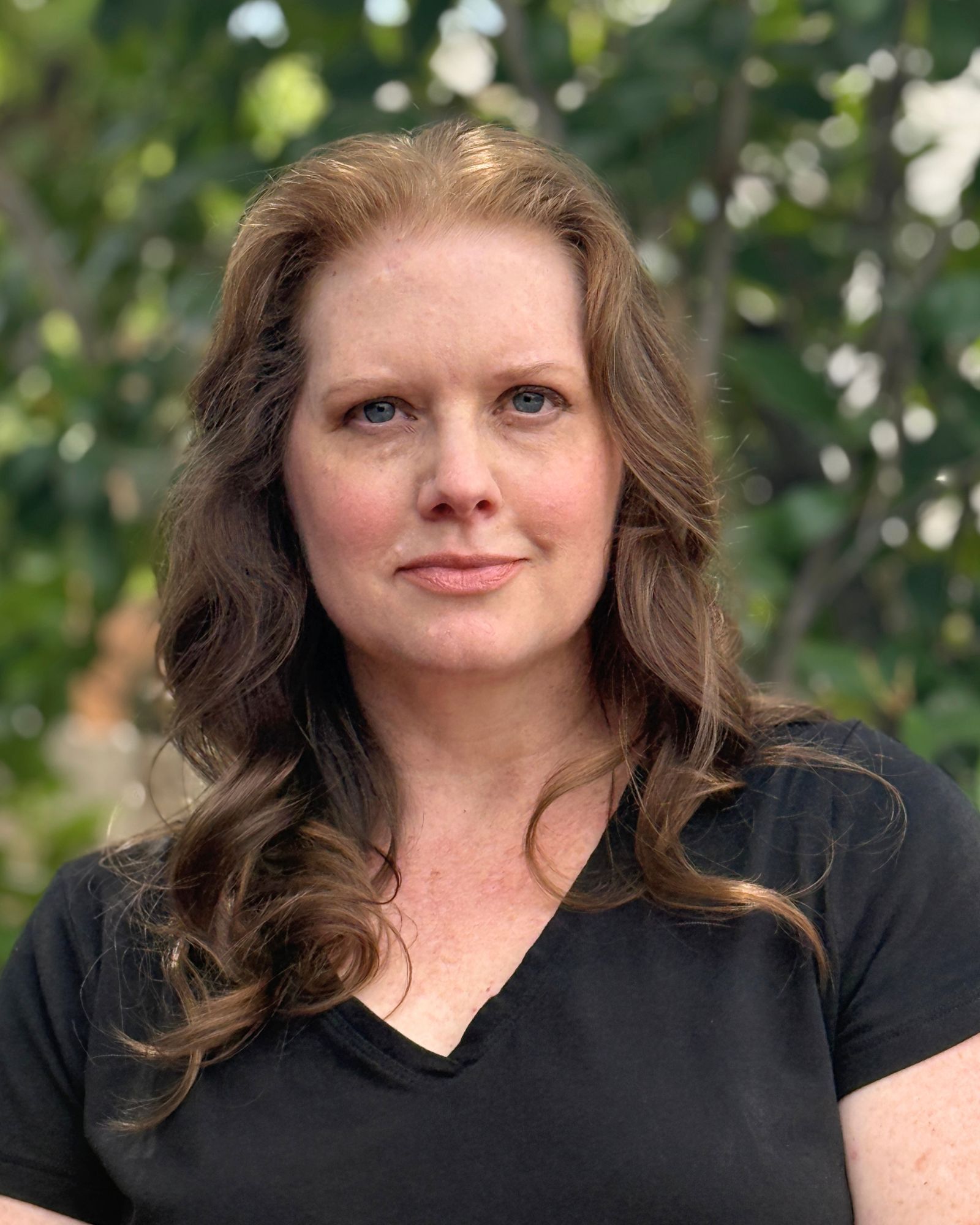

Founder & Chief GTM strategist · SHYFT Insights · USA
Meet Angela Shori
Angela Shori is a go-to-market advisor and fractional CMO for B2B technical founders selling into enterprise. As founder of SHYFT Insights, she works with B2B SaaS and AI-native companies at the Series A/B stage, helping them build go-to-market motions that hold up in complex, enterprise sales environments.
Angela is also a GTM OS Certified Partner and publishes The GTM SHYFT, a newsletter on go-to-market strategy for technical founders. She is candid about how neurodiversity colors her experience of building a business as a solo founder and how she uses AI in the process of building.
"If you're for everyone, you're for no one."
Founder tech stack
What Angela actually runs on.
Angela Shori helps technical founders focus their go-to-market on the customers they can best serve now—and uses AI to apply the same discipline inside SHYFT Insights.
AI Power Women Membership
One membership. A growing library of practical AI Assets.
Conversation Prep Toolkit is one of the tools already inside. Join the Library for access to the complete collection—and every new AI Asset created from future guest episodes.
Founding rate for the first 100 members · locked in · cancel anytime